13 Feb 2026
Post by Gabriel
Introduction
The tactile feedback from iPhones is a feature users experience daily, yet the technology behind it often goes unnoticed. Understanding how iPhones vibrate offers insights into how Apple enhances user interactions with their devices. This isn’t just about notifications; it’s about creating an immersive experience. As mobile technology evolves, Apple’s innovations in vibration technology have set new standards, distinguishing iPhones from competitors.
Exploring these technological advancements can boost your appreciation for the engineering marvels that make your iPhone an integral part of daily life.
The Evolution of iPhone Vibration Technology
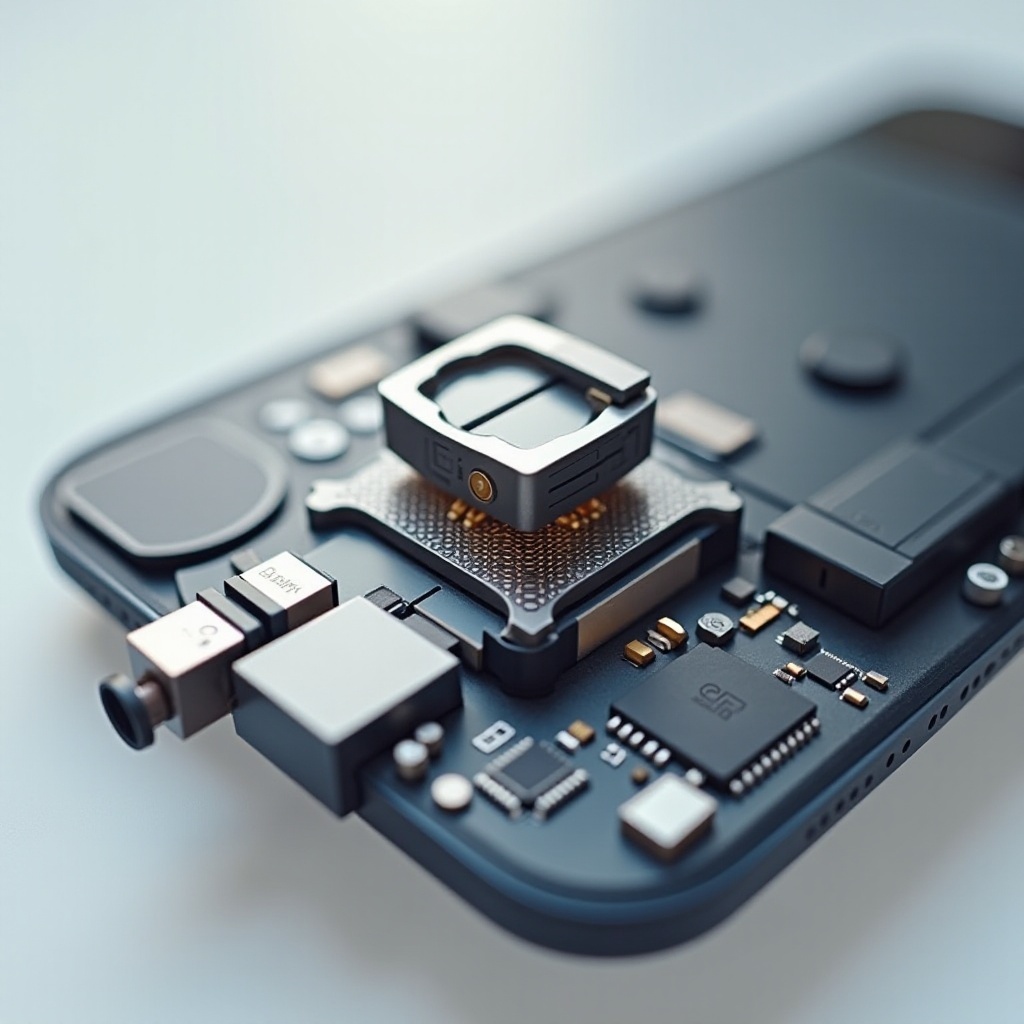
Apple’s journey into vibration technology began with basic motors, evolving to meet increasing demands for a refined user experience. Early iPhones used Eccentric Rotating Mass (ERM) motors, a simple yet effective solution for vibrations. However, these motors lacked precision and versatility.
The introduction of Linear Resonant Actuators (LRAs) marked a significant milestone. LRAs provided enhanced feedback and responsiveness. Yet, the true revolution came with the Taptic Engine, first seen in the iPhone 6S. This innovation brought nuanced haptic feedback, transforming vibrations from functional alerts to integral parts of user interaction.
As we examine how these innovations impact our day-to-day usage, we can better appreciate the advanced technology that powers iPhone vibrations.
How iPhone Vibration Works
At the core of the iPhone’s vibration system lies the Taptic Engine, a departure from traditional vibration motors. It uses a linear oscillation method, achieving precise and quick feedback for a seamless user experience. Here’s a closer look:
-
Understanding the Taptic Engine: It works by moving a small weight along a linear path, controlled precisely for a smooth experience. This setup allows the generation of diverse vibration patterns.
-
Mechanism Behind Vibrations: Through controlled duration and intensity, Apple’s engineers create distinctive feedback patterns for various actions, like gentle taps for notifications or more pronounced vibrations for alarms.
-
Interaction Between Hardware and Software: The marriage of hardware and software ensures that vibrations correlate with user actions, making interactions responsive and realistic.
This integration ensures iPhones stand apart in delivering a tactile experience unmatched by rivals.
Customizing iPhone Vibrations
Apple provides a wealth of options for users to tailor vibration settings to their personal preferences, enhancing interaction.
-
Setting Up Custom Patterns: Users can create unique patterns in settings by tapping and holding the screen, giving each notification or call a personalized touch.
-
Accessibility Features: Apple’s accessibility settings allow users with varied needs to modify vibration feedback for improved device interaction.
-
Troubleshooting Issues: Should issues arise, checking the settings for the vibration motor, ensuring Do Not Disturb is disabled, or resetting the device can often resolve problems.
These customization capabilities underscore Apple’s commitment to offering user-centric technological solutions.
The Impact of Vibrations on User Experience
Sophisticated haptic feedback has reinvented mobile interaction, making each action feel deliberate and engaging.
-
Benefits of Haptic Feedback: The Taptic Engine provides customizable feedback, guiding users without needing constant screen attention, enhancing multitasking.
-
Enhancing Mobile Interaction: Whether typing on the virtual keyboard or acknowledging notifications, the Taptic Engine ensures actions are intentional and satisfying.
-
Comparing to Competitors: Apple’s focus on precise haptic feedback sets new benchmarks, challenging other manufacturers to match its level of integration and performance.
The unique experience powered by advanced vibration technology reaffirms Apple’s dedication to quality and innovation.
Future Trends in iPhone Vibration Technology
Looking forward, the future of iPhone vibration technology promises more remarkable developments.
-
Future Innovations: Upcoming advancements might include vibrations offering richer haptic information, such as simulating textures or detailed sensations.
-
Role in Augmented Reality: As AR grows, precise feedback will be key to creating immersive experiences that seamlessly blend digital with physical realms.
-
Enhancing Experiences Beyond 2024: Beyond hardware improvements, software integration will also continue evolving, transforming user engagement with devices.
Apple’s future innovations in vibration technology remain a pivotal force in shaping how smartphones enhance daily life.
Conclusion
iPhone vibrations transcend simple alerts; they are rich in engineering designed to elevate user interaction and ensure a seamless experience. By understanding the evolution, technology, and future developments of iPhone vibrations, users can truly appreciate the craftsmanship behind iPhones, making them not just functional, but also enjoyable devices.
Frequently Asked Questions
What is the Taptic Engine in an iPhone?
The Taptic Engine is a linear actuator that produces vibrations, delivering precise haptic feedback for a better user experience.
Can I customize my iPhone’s vibration settings?
Yes, iPhone allows customization of vibration patterns through the settings menu for different notifications and alerts.
How do iPhones differ from other phones in terms of vibration technology?
iPhones utilize the Taptic Engine, offering more precision and varied feedback compared to traditional motors used in most other smartphones.